Diversity in Transit Leadership Is Operational Intelligence, Not Just Fairness
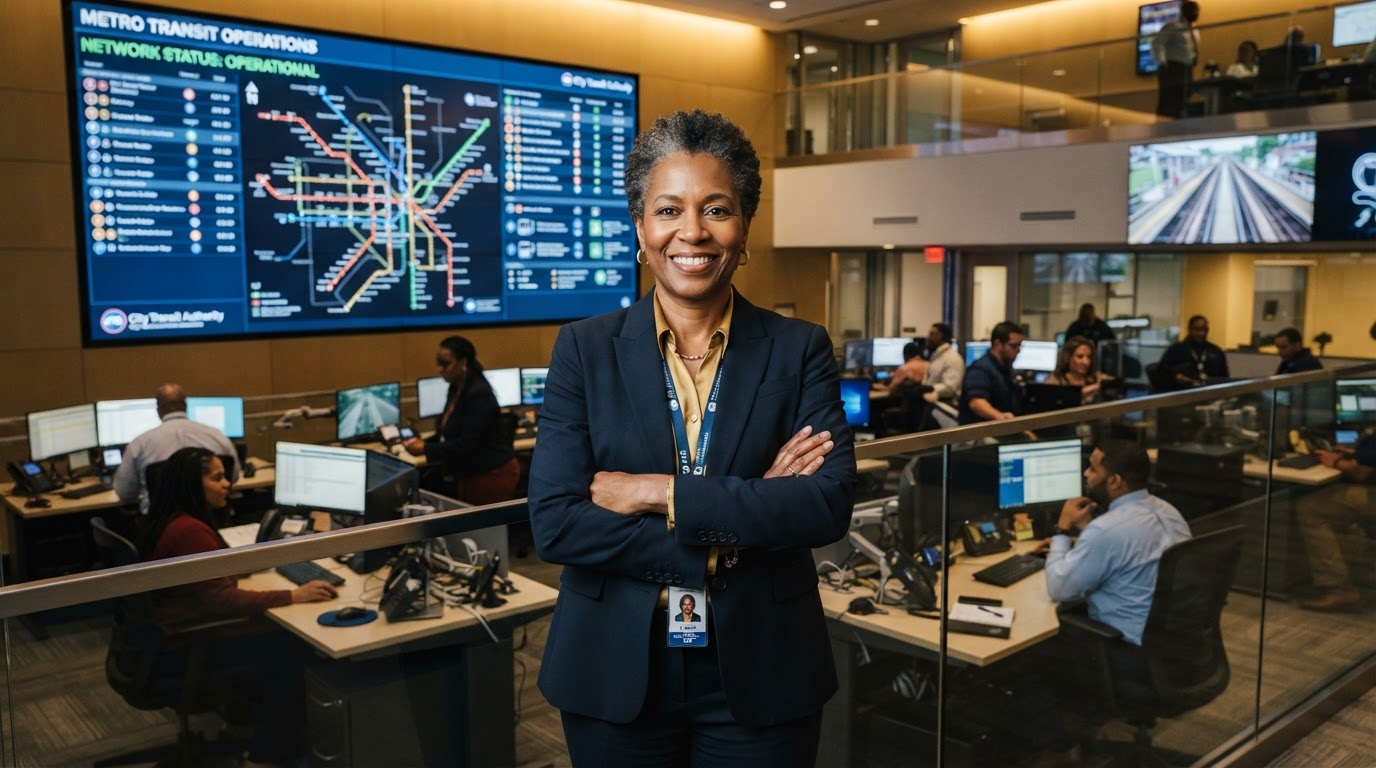
Most people think diversity in transit leadership is about fairness. It's actually about equipping your organization with the most comprehensive set of perspectives to avoid important ones getting overlooked.
Homogeneous Teams Build Systems with Blind Spots
I've spent nearly four decades recruiting and mentoring leaders of color and leaders with disabilities into senior transit roles. Not because it looks good on paper. Because homogeneous executive teams build systems with structural blind spots they'll never detect.
When your leadership team doesn't reflect the communities you serve, you miss things. You design paratransit systems without understanding what it's like to depend on them. You set service standards without recognizing how a 30-minute pickup window affects someone who can't reschedule a medical appointment. You make procurement decisions that prioritize cost over accessibility because no one in the room has ever navigated a system that wasn't built for them.
Theory Breaks When It Meets the Street
This isn't about representation for representation's sake. It's about operational intelligence.
Transit serves some of the most diverse communities in America. Low-income families. Seniors. People with disabilities. Immigrants. If the people making decisions about routes, schedules, fares, and service quality have never lived those realities, they're designing from theory, not experience.
And theory breaks when it meets the street. Agencies struggle with service complaints they couldn't diagnose because no one in leadership had the lived experience to recognize the problem. Paratransit systems get designed by people who've never needed paratransit, and the result is operationally compliant but functionally inadequate. The regulations were met. The customers were failed.
Leaders Who See Problems Before They Become Crises
Representation changes that. When you have leaders who've navigated inaccessible infrastructure, who've depended on transit to get to work, who understand what it means to be invisible in your own city, they see problems before they become crises. They ask different questions. They challenge assumptions that homogeneous teams accept as given.
This is why I've made it a priority to place leaders who bring perspectives the industry has historically excluded. Not to check a box. To build better systems.
The Leadership Transition We're In
The transit industry is facing a leadership transition. Much of our current executive layer is first generation, and succession planning is critical. This is the moment to ask whether we're replicating the same leadership DNA or building something more resilient.
"If your executive team looks nothing like the people riding your buses, you're not just missing representation. You're missing the intelligence you need to serve your community well."
Key Executive Takeaways
- Diverse leadership equips an organization with perspectives that homogeneous teams structurally cannot detect.
- Designing transit from theory rather than lived experience produces operationally compliant but functionally inadequate service.
- Leaders with lived experience see problems before they become crises and ask different questions.
- The industry's leadership transition is the moment to build more resilient leadership DNA, not replicate the old one.

Christian T. Kent ("Mr. Paratransit")
Founder & Principal Consultant at Transit Management Consulting, LLC with nearly 40 years of public transportation leadership, former WMATA Accessibility Chief, and Executive Recruiter with KL2 Connects.
More Articles & Media
View All PostsOne Transit - The Routing Company Podcast & Webinar
How commingling demand-responsive and ADA paratransit delivers truly equitable transit, maximizes fleet efficiency, and enhances community access.
Have We Outgrown Paratransit?
Examining whether traditional ADA paratransit frameworks still meet the evolving mobility expectations of people with disabilities or if integrated on-demand and TNC partnerships represent the future.
Transit Unplugged Interview - Christian Kent and Shawn Moon
Featured episode on Transit Unplugged hosted by Paul Comfort. Christian T. Kent and Shawn Moon discuss executive leadership, recruitment strategies, retention, and rebuilding trust across public transit authorities.